
The Early Days of California Wine: From Mission Grapes to Modern Vines
A journey through 250 years of California winemaking history
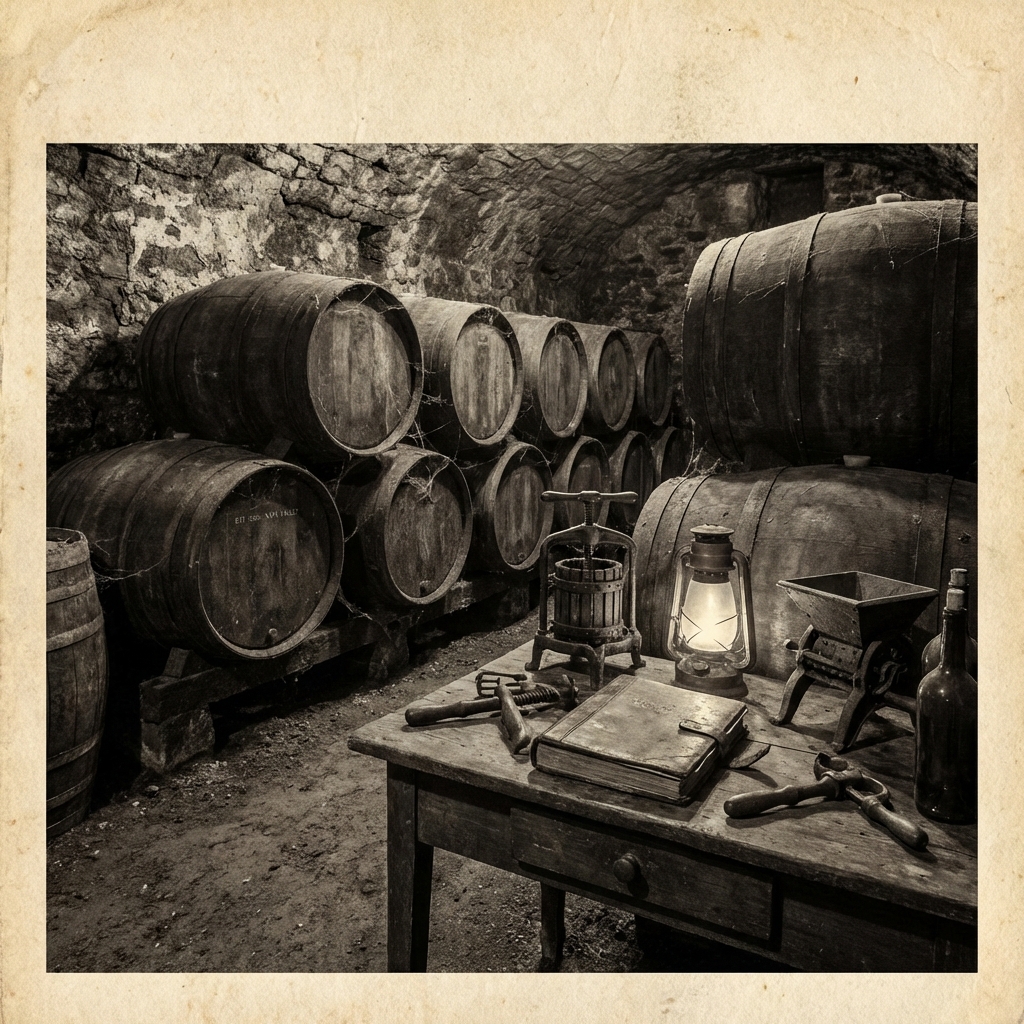
Long before Napa Valley became synonymous with world-class wine, California's winemaking story began with Spanish missionaries, gold rush entrepreneurs, and pioneering visionaries who believed this land could produce something extraordinary. The journey from humble mission grapes to modern premium vintages is a tale of perseverance, innovation, and the relentless pursuit of excellence.
The Mission Period (1769-1833): California's First Vines
Spanish Missionaries Plant the Seeds
California's wine story begins in 1769 when Spanish Franciscan missionaries, led by Father Junípero Serra, established the first of 21 missions along El Camino Real (The Royal Road) from San Diego to Sonoma. These missions needed wine for religious ceremonies, and thus, California's first vineyards were born.
The missionaries brought with them a grape variety known as the Mission grape (Criolla or País), which originated in Spain and had been cultivated in Mexico. While not particularly refined by today's standards, the Mission grape was hardy, reliable, and well-suited to California's warm, dry climate.
Early Winemaking Challenges
The missionaries faced significant challenges:
- Limited knowledge - Most priests had little winemaking expertise
- Primitive equipment - Grapes were often crushed by foot in cowhide bags
- Storage issues - Without proper barrels, wine was stored in clay vessels
- Climate variations - Understanding microclimates took generations
Despite these obstacles, mission vineyards expanded. By the 1820s, California missions were producing thousands of gallons of wine annually, mostly for sacramental use but also for trade and personal consumption.
The Secular Period (1833-1849): Commercial Beginnings
Secularization and Private Ownership
In 1833, the Mexican government secularized California's missions, transferring vineyard lands to private ownership. This transition marked the beginning of commercial winemaking in California.
One pioneering figure was Jean-Louis Vignes, a French immigrant who arrived in Los Angeles in 1831. Vignes recognized that California's climate resembled Mediterranean wine regions and began importing European grape varieties, including:
- Cabernet Sauvignon
- Sauvignon Blanc
- Cabernet Franc
Vignes established El Aliso vineyard near what is now downtown Los Angeles, becoming California's first commercial winemaker. His wines gained recognition for quality far superior to mission wines.
Southern California's Early Dominance
During this era, Los Angeles—not Napa or Sonoma—was California's wine capital. The warm, sunny climate and available land made Southern California ideal for viticulture. By the 1840s, Los Angeles produced more wine than any other American region.
The Gold Rush Era (1849-1870): Expansion and Experimentation
Population Boom Drives Demand
The 1849 Gold Rush brought hundreds of thousands of people to California, creating unprecedented demand for wine. Prices soared, and entrepreneurs rushed to plant vineyards.
Key figures emerged during this period:
Agoston Haraszthy (1812-1869) - Often called the 'Father of California Viticulture,' this Hungarian immigrant founded Buena Vista Winery in Sonoma in 1857. Haraszthy made pivotal contributions:
- Imported over 100,000 European vine cuttings (300+ varieties)
- Demonstrated that high-quality wine could be made in California
- Wrote influential reports on viticulture techniques
- Proved hillside vineyards produced superior grapes
Charles Krug - In 1861, Krug established the first commercial winery in Napa Valley. His innovations included using a cider press for crushing grapes—revolutionary at the time. Krug trained many future winemaking legends, establishing Napa Valley as a serious wine region.
Jacob Schram - Founded Schramsberg in 1862, focusing on sparkling wine production. His success demonstrated California's potential for diverse wine styles.
Regional Diversity Emerges
As winemaking spread, distinct regions developed identities:
- Napa Valley - Known for structured, age-worthy reds
- Sonoma County - Diverse microclimates supporting varied styles
- Santa Clara Valley - Early pioneer in premium wine production
- Southern California - High-volume production for local consumption
The Golden Age (1870-1900): Quality and Recognition
International Acclaim
By the 1870s, California wines began earning international recognition. At the 1889 Paris Exposition, California wines won medals, surprising European critics who hadn't expected New World quality.
Production increased dramatically:
- 1870: 2.5 million gallons produced annually
- 1880: 10 million gallons
- 1900: 30 million gallons
Scientific Winemaking Begins
The University of California established its viticulture and enology program in 1880, bringing scientific rigor to winemaking. Researchers studied:
- Soil composition and its effect on grape quality
- Optimal harvest timing
- Fermentation science
- Disease and pest management
Challenges and Setbacks
Phylloxera Devastation (1870s-1890s)
Just as California wine was gaining momentum, phylloxera—a root-eating louse—devastated European vineyards. The pest arrived in California in the 1870s, destroying thousands of acres.
The solution came from an unexpected source: grafting European vines onto resistant American rootstock. This technique saved California's wine industry and taught winemakers valuable lessons about vineyard management.
Prohibition (1920-1933): The Dark Years
The 18th Amendment, prohibiting alcohol production and sales, nearly destroyed California's wine industry. From nearly 700 wineries in 1920, only about 140 survived Prohibition.
However, some legal loopholes existed:
- Sacramental wine - Churches could still use wine for religious purposes
- Home winemaking - Families could make up to 200 gallons annually
- Medical prescriptions - Doctors could prescribe wine for medicinal purposes
A few wineries, including Beaulieu Vineyard and Beringer, survived by producing sacramental and medicinal wine. Their survival proved crucial for preserving winemaking knowledge and vine stock for future generations.
The Renaissance (1933-1976): Rebuilding and Innovation
Post-Prohibition Recovery
When Prohibition ended in 1933, California's wine industry had to rebuild from scratch. Most vines had been ripped out or neglected. Consumer tastes had shifted toward sweet, fortified wines and spirits.
Key figures led the renaissance:
Robert Mondavi - Perhaps the most influential figure in modern California wine. In 1966, Mondavi established his namesake winery, the first major new winery in Napa since Prohibition. Mondavi championed:
- Temperature-controlled fermentation
- French oak barrel aging
- Varietal labeling (naming wines after grape varieties)
- Wine education and tourism
André Tchelistcheff - The 'Dean of American Winemakers,' Tchelistcheff joined Beaulieu Vineyard in 1938 and revolutionized California winemaking with techniques like malolactic fermentation and aging in small French oak barrels.
Warren Winiarski - Founded Stag's Leap Wine Cellars in 1970, producing the Cabernet Sauvignon that won the Judgment of Paris in 1976.
Scientific Advancement
University of California, Davis became the world's leading wine research institution, training generations of winemakers and developing:
- New vineyard management techniques
- Yeast strains optimized for California conditions
- Irrigation systems for drought-prone regions
- Disease-resistant rootstocks
Legacy and Lessons
From Mission Grapes to Modern Excellence
California's journey from simple mission grapes to world-class varietals teaches valuable lessons:
Perseverance Pays Off - Despite challenges including phylloxera, Prohibition, and skepticism from European critics, California winemakers never gave up.
Innovation Drives Progress - From Haraszthy importing European vines to Mondavi introducing temperature-controlled fermentation, innovation propelled California wine forward.
Terroir Matters - Early winemakers discovered that California's diverse microclimates could produce distinctive, high-quality wines rivaling European regions.
Education and Science are Essential - The establishment of UC Davis's viticulture program provided the scientific foundation for modern excellence.
Visiting Historic Wineries Today
Many of California's pioneering wineries still operate today, offering visitors a taste of history:
- Buena Vista Winery (Sonoma) - Founded 1857, California's oldest premium winery
- Schramsberg (Napa) - Founded 1862, renowned for sparkling wines
- Charles Krug (Napa) - Founded 1861, Napa's oldest winery
- Beringer Vineyards (Napa) - Founded 1876, operated continuously even during Prohibition
- Beaulieu Vineyard (Napa) - Founded 1900, home to legendary winemaker André Tchelistcheff
These historic estates offer tours, tastings, and museums that bring California's wine heritage to life. Walking through their cellars and vineyards, you're following in the footsteps of pioneers who transformed California from a frontier outpost into one of the world's great wine regions.
The Journey Continues
From Franciscan missionaries planting humble mission grapes in 1769 to today's world-renowned wines, California's winemaking journey spans over 250 years of challenges, innovations, and triumphs. The early pioneers—missionaries, immigrants, entrepreneurs, and visionaries—laid the foundation for an industry that now produces wines celebrated globally.
Their legacy lives on in every bottle, every vineyard, and every tasting room across California's wine country. The early days of California wine weren't just about making wine—they were about dreaming big, taking risks, and believing that this land could produce something truly exceptional.
And they were right.
Experience California Wine History
Visit historic wineries and taste the legacy of California's wine pioneers. Book your wine country adventure today.
Start Your JourneyRelated Articles

The Judgment of Paris
Read More →